There is no single weekly oiling schedule that suits every hair oil and scalp. Start with the frequency on your bottle, then check whether the directed routine leaves your scalp comfortable and your roots manageable. Daily use is not a default, and a larger amount does not make up for a missed application.
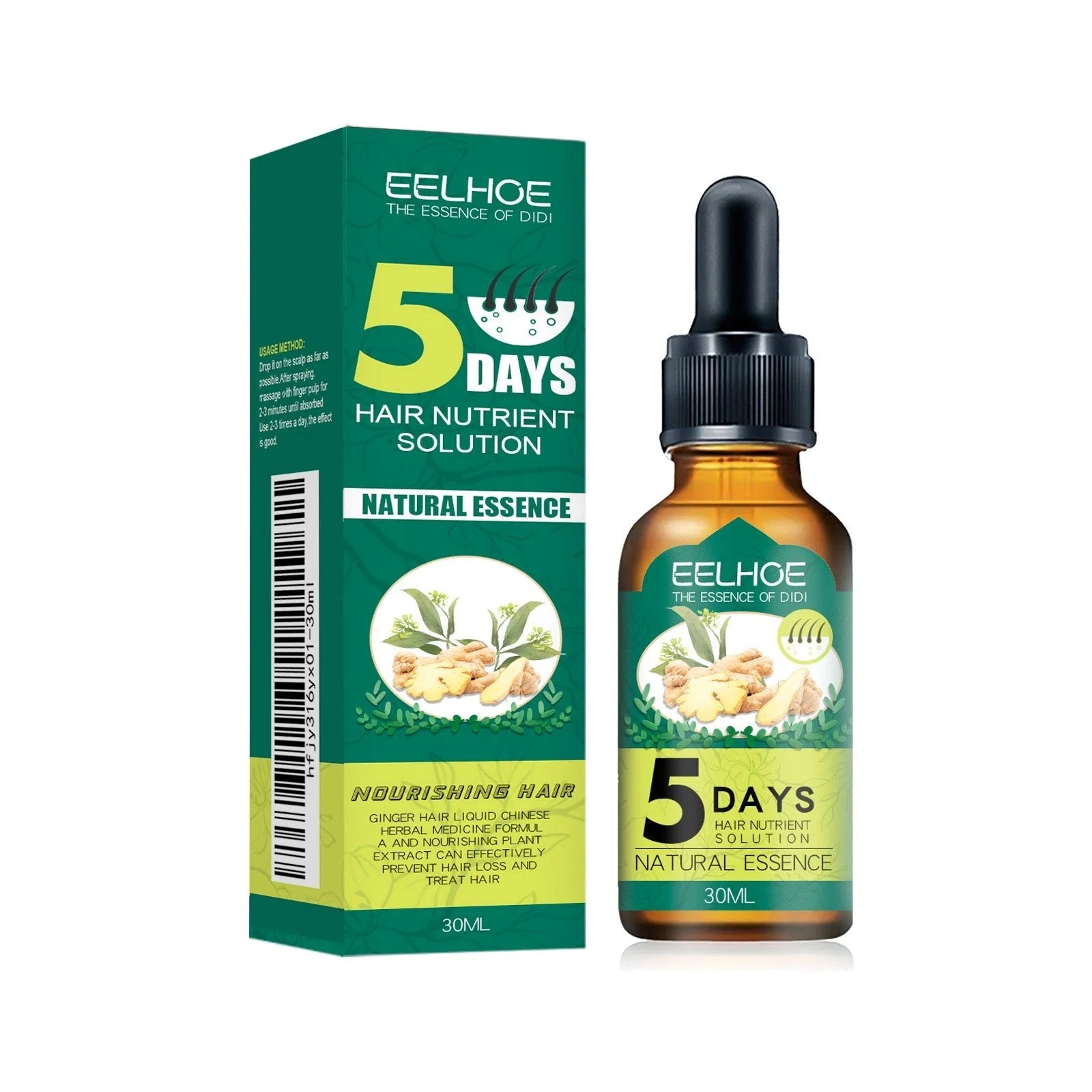
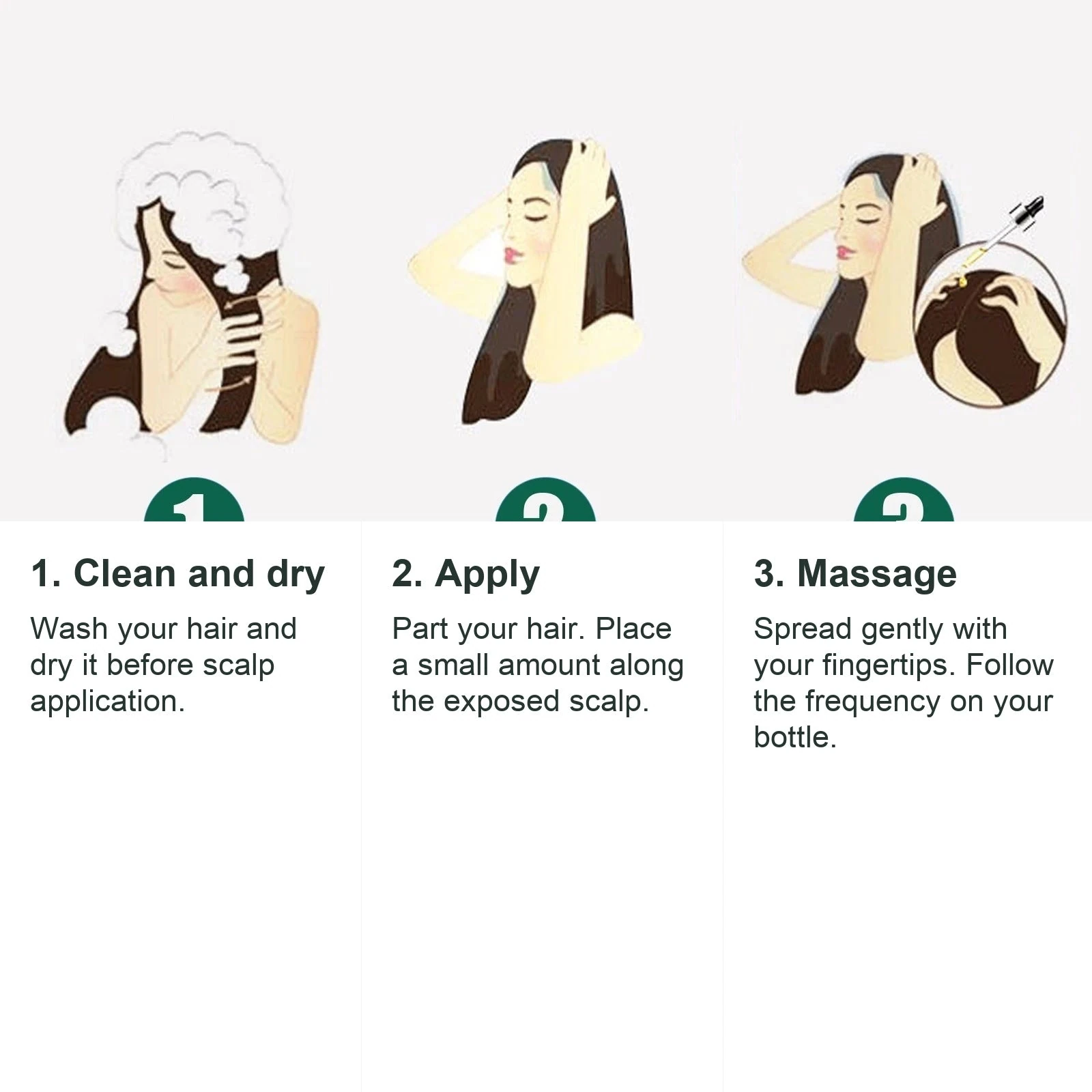
For the green-label EELHOE ginger scalp oil, the confirmed method is washing and drying, applying a small amount along partings and massaging gently. Its illustrated guide does not give a universal number of uses per week. The practical way to choose when to use hair oil is to match the label to your wash routine, then review the result.
How often should I oil my hair to begin with?
Begin with the exact product’s directions and avoid adding extra applications while you are learning how it feels. A rinse-out pre-wash oil, a finishing oil and a scalp-care oil can have different instructions. A routine copied from someone using another formula may not answer your question.
Read the label for four things: the intended area, how much to use, how often to use it and whether it must be washed out. If frequency or rinse instructions are unclear, check with the seller before treating a guess as the routine. A picture of a dropper does not mean a full dropper per application.
Make your goal specific as well. “I want a focused scalp-massage step after washing” is a different goal from “my ends need smoothing between washes.” The EELHOE ginger hair oil discussed here is the scalp-directed green bottle. Its use should be judged at the scalp and roots.
Frequency and amount: which one needs adjusting?
Frequency is how often you apply; amount is how much you use each time. Keep them separate when reviewing the finish. If the roots feel coated immediately after one application, adding another application tomorrow is not the first question to solve.
On mobile, swipe the table to compare all columns.
| What you notice | Check first | A useful next decision |
|---|---|---|
| Roots look coated straight after oiling | Amount and whether the oil reached the scalp or mostly the hair. | Review the directed amount and improve placement before adding more. |
| The first application feels manageable, but layers build up | Reapplication and other products used near the roots. | Do not automatically top up; compare the routine with the bottle’s frequency. |
| Ends feel dry while the scalp feels fine | Whether the concern is actually on the lengths. | Keep conditioner or length-care products focused where needed. |
| The scalp stings, becomes red or feels persistently itchy | Comfort and possible irritation. | Stop using the product; seek advice if symptoms persist. |
| Application is comfortable and roots remain easy to arrange | Whether you are following the label consistently. | Keep the routine stable instead of escalating the amount. |
These observations help you judge a cosmetic routine. They do not measure hair growth, and they cannot identify a medical cause of shedding. A tingling or burning feeling is not a reason to add more product.
Should oiling follow your wash days?
For a product directed after washing and drying, wash day provides the relevant preparation. It does not automatically set a dose after every wash. Use the stated frequency as well as the preparation instructions.
The American Academy of Dermatology recommends washing according to how often hair gets dirty or oily, with care adjusted to hair type. That is guidance for cleansing, not a prescription for how many times to oil. Do not wash more often solely to make room for extra scalp-oil applications.
Someone who washes often may need a different product feel from someone whose wash days are farther apart. In either case, adding oil on top of several existing layers makes it harder to judge the next application. If you already dislike an oil texture at the roots, compare a water-based ginger scalp spray by its own label instead of trying to force a richer routine.
A simple record for your next application
Write down what you did and how it felt before changing the routine. The short record below helps separate the oil from conditioner, styling products and wash timing. It is a planning aid, not a dosing schedule.
On mobile, swipe the table to compare all columns.
| Field | What to record | Why it helps |
|---|---|---|
| Product and label | Exact bottle; directed frequency and amount. | Keeps advice for different formulas from getting mixed together. |
| Preparation | When you washed and whether the scalp area was dry. | Checks that the preparation matches the instructions. |
| Application | Where you placed the oil and the amount used. | Separates scalp placement from coating the lengths. |
| Other root products | Any oil, cream, spray or styling product already applied. | Makes layering easier to spot. |
| After application and before the next use | Comfort, visible residue and how easily roots can be arranged. | Gives you something specific to compare. |
| One next change | Placement, amount within directions, or a different product format. | Avoids changing several things and losing the comparison. |
For example, if oil was mostly on the fringe, the next change can be a clearer parting while keeping the rest of your routine familiar. If you change the oil, shampoo, amount and timing together, you will not know which change made the finish different.
Make each application easier to judge
For the green EELHOE bottle, wash and dry first, expose the scalp, apply a small amount and massage gently. The dropper helps place oil where you want it, while your fingertips distribute it. You do not need to saturate every strand to perform a scalp step.
Keep the dropper clean and close the bottle after use. Before changing frequency because an oil suddenly smells or looks different, check its condition. Our guide to hair oil expiry and changes covers that separate decision.
If you are still choosing the texture, compare hair tonic and hair oil. If the product format already fits, use the log to keep the routine focused rather than buying several similar steps at once.
Which oil fits a routine you will actually keep?
Choose by the job and the applicator. The green EELHOE oil fits a preference for drop-by-drop scalp placement after washing and drying. It is less relevant if your only concern is rough ends or if you specifically want a water-based root product.
The hair oil collection lets you compare formats. Check the exact bottle, intended area and instructions before deciding. A routine is easier to maintain when the product serves one clear need.
Questions about hair-oiling frequency
Can I oil my hair every day?
Only where the exact product’s instructions support that frequency and the routine suits your scalp. Daily washing, dry ends or a small bottle do not by themselves establish daily oiling.
Should I use extra oil after missing an application?
No. Do not use a larger amount to compensate. Return to the product’s stated routine rather than turning one application into several doses.
When should I use hair oil if my roots are oily but my ends are dry?
First separate the two areas. Use appropriate conditioning on the lengths, and assess whether you want or need another scalp product. A dry end is not evidence that the roots need more oil.
How often should you oil your hair for faster growth?
There is no supported universal frequency that makes every oil produce faster growth. Follow the exact formula’s directions. New or persistent hair loss deserves advice beyond increasing cosmetic applications.
Sources and product information
By GinGrowth, which sells the EELHOE products shown. Product pages and original product images checked November 5, 2026. This guide uses label information and published guidance; it does not report a firsthand product test.