If your hair feels greasy straight after washing, first check whether the shampoo reached the scalp, whether you rinsed thoroughly and whether conditioner or styling products coated the roots. A coated finish is not automatically proof that your scalp produced more oil during the wash. The timing and location of the heaviness give you a better starting point.
Try one targeted adjustment at your next wash instead of replacing shampoo, conditioner and every leave-in at once. Below is a practical troubleshooting sequence, followed by the EELHOE ginger-and-lemon liquid shampoo sold by GinGrowth as a scalp-cleansing option.
Is it greasy immediately, or does it become oily later?
Separate “still coated when dry” from “clean at first, oily later.” If the same patch feels heavy as soon as your hair dries, review wetting, wash coverage and rinsing there. If the roots feel clean initially and become oily between washes, the useful question may be wash frequency or what you add afterward.
On mobile, swipe the table to compare all columns.
| What you notice | What to check first | One useful adjustment |
|---|---|---|
| The crown feels coated as soon as it dries | Did water and shampoo reach underneath dense hair? | Separate the hair so the crown is fully wet and accessible. |
| The nape or behind the ears feels slippery after rinsing | Did rinse water reach those areas? | Lift and separate the hair while rinsing. |
| Roots become flat after conditioning | Where was conditioner applied? | For fine or straight hair, keep it on the ends as appropriate. |
| Hair feels clean until oil or styling cream is added | How much product is placed near the roots? | Review one optional leave-in and its application area. |
| Roots become oily later between washes | How quickly does your scalp become oily or dirty? | Choose wash frequency for your hair and scalp rather than a rigid rule. |
These checks help organize a routine; they do not diagnose a scalp condition. The American Academy of Dermatology recommends washing based on how often hair becomes dirty or oily. Straight hair and an oily scalp may need more frequent washing than dry, curly or thick hair. There is no single weekly schedule for everyone.
Does the shampoo reach your scalp?
When hair is dense or the top layer becomes wet first, it is easy to work lather over the surface while missing the scalp underneath. Wet the roots thoroughly, then use your fingertips to distribute shampoo over the intended scalp areas. Reach the crown, hairline and nape without scratching.
The AAD recommends applying shampoo to the scalp rather than concentrating it through the full hair length. This removes built-up products and excess oil while avoiding unnecessary drying of the strands. More vigorous scrubbing is not the same as better access.
If your hair takes time to become wet, our guide to washing low-porosity hair shows a section-by-section approach. If you are unsure about amount, see how much shampoo to use rather than assuming extra pumps are always the answer.
Have you rinsed every area and placed conditioner deliberately?
Check the areas that are easiest to miss, then give conditioner its own target. Lift the hair so water can reach behind the ears, the crown and the nape. Follow the shampoo’s directions and rinse the lather away before the next step.
For fine or straight hair, AAD guidance places conditioner on the ends; dry or curly hair may benefit from conditioning through the lengths. Keep the choice attached to your hair type. Removing conditioner altogether can leave rough ends harder to manage while failing to fix a wash-coverage problem at the scalp.
If you ask “why does my hair feel greasy after washing it?” after adding several leave-ins, compare the finish before and after those products. A clean scalp followed by a heavy coating calls for a different adjustment from hair that never felt clean after rinsing.
Where does the EELHOE ginger shampoo fit?
The ginger scalp-cleansing shampoo is the 100ml black bottle with water, ginger extract and lemon extract among its ingredient highlights. It belongs at the beginning of the routine: wet, lather at the scalp, massage gently and rinse. It is separate from a leave-in scalp serum or spray.
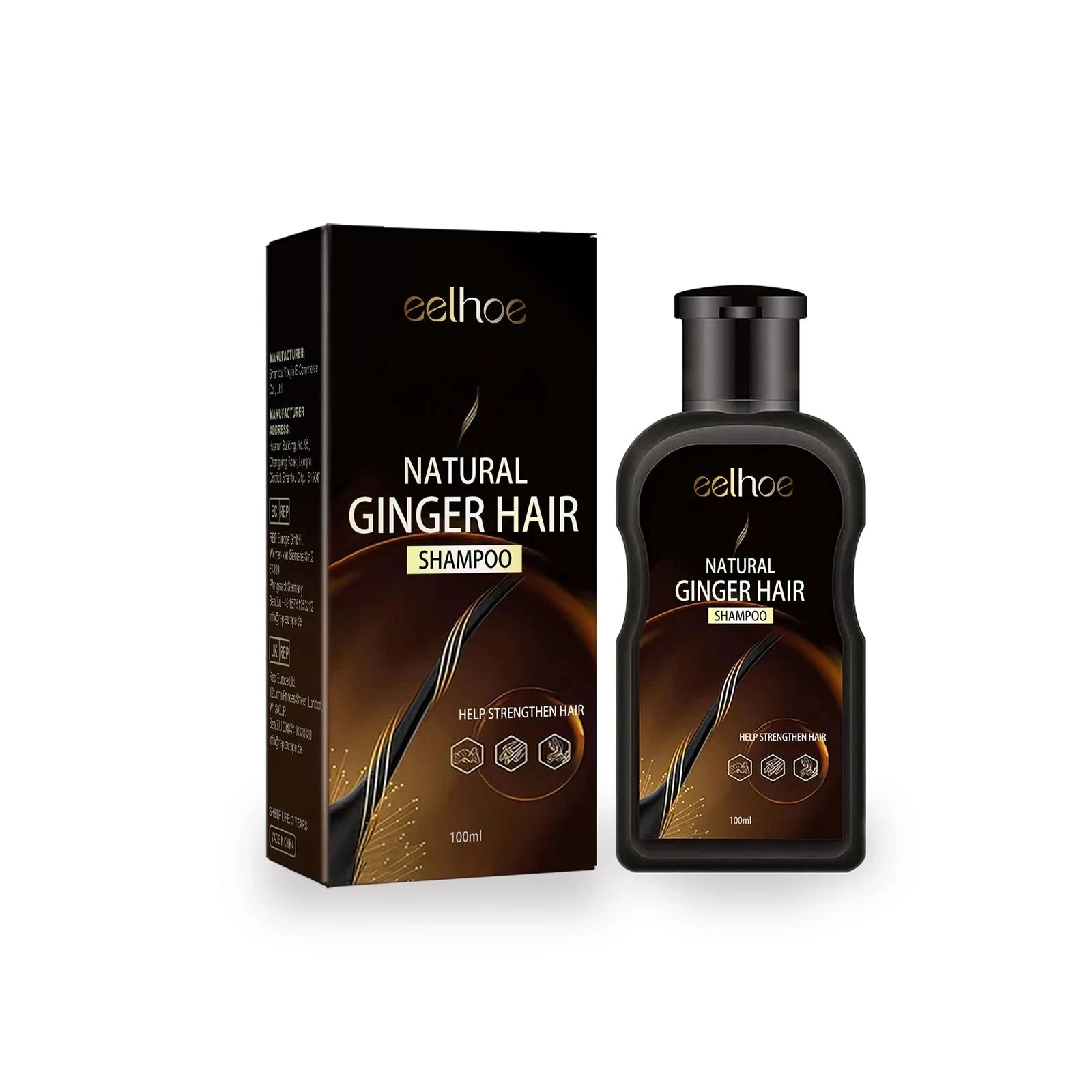
Its practical advantage is the format and clear task. You can dispense a ready-to-use liquid onto wet hair without preparing a powder or building lather from a solid bar. Use it for scalp oil and everyday surface residue, then decide separately what the ends need.
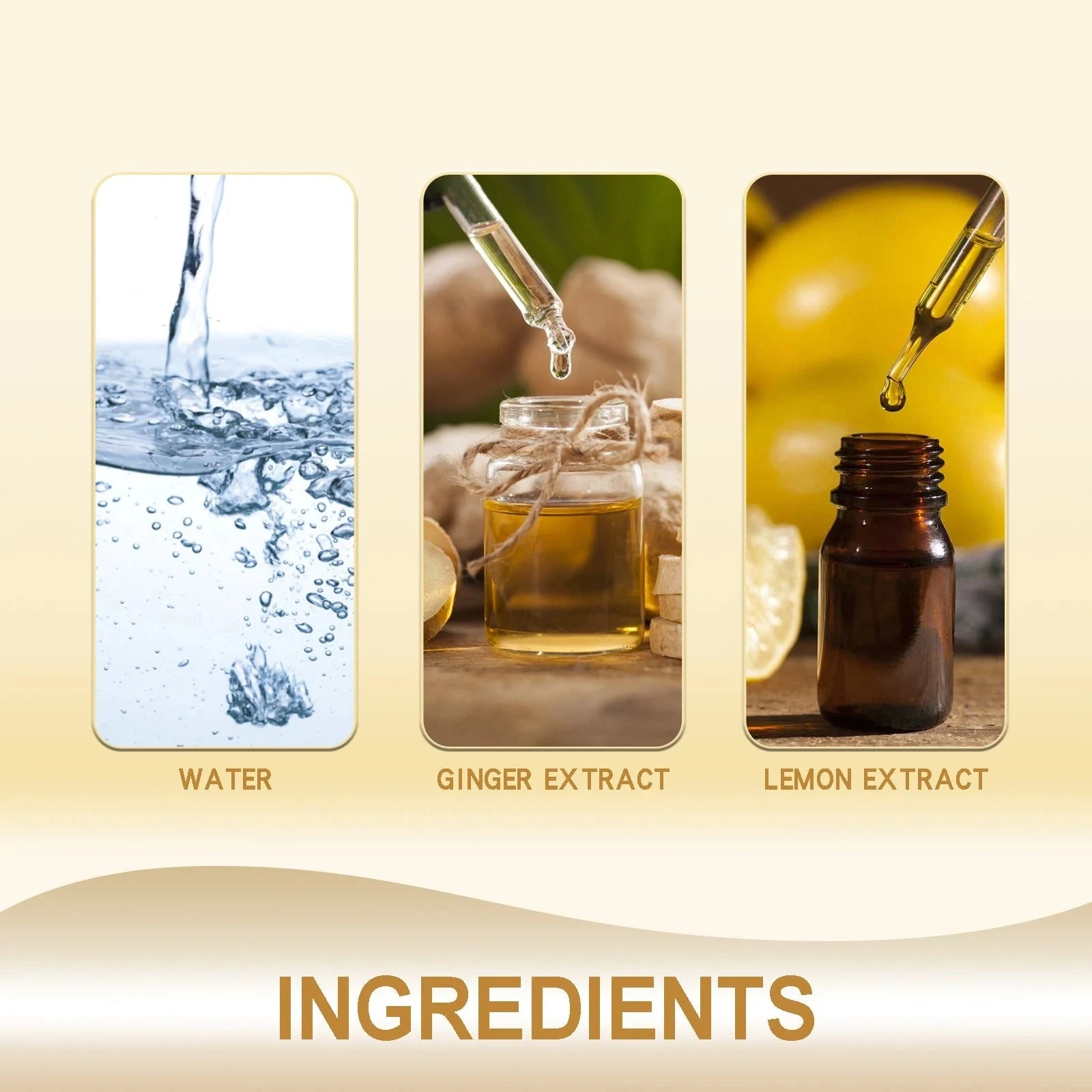
The botanical names do not show that it stops sebum production, treats a scalp disorder or removes every type of buildup. This guide recommends it for its documented rinse-off cleansing role. If you are specifically choosing by surfactants, fragrance or an ingredient to avoid, request the full label first.
What should you change at your next wash?
Choose the row that best matches your problem and change one routine detail. Keep the other usual steps similar so you can tell whether the adjustment helped. This is a personal observation checklist, not a clinical test.
On mobile, swipe the table to compare all columns.
| Main problem | Change this time | Keep a short note after drying |
|---|---|---|
| One patch stays coated | Expose and fully wet that patch before distributing shampoo. | Did the same patch still feel coated? |
| Hair feels slippery near the nape | Improve rinse access there by lifting the hair. | Does it still feel like product remains? |
| Fine roots flatten after conditioner | Apply conditioner to the ends instead of the scalp, following its directions. | Are roots more manageable while ends remain soft? |
| Hair becomes heavy after finishing products | Review the amount and position of one optional leave-in. | Did heaviness appear before or after that product? |
| You decide to try a new cleansing formula | Change the shampoo while keeping the rest of the routine familiar. | Was the cleanse comfortable and the finish manageable? |
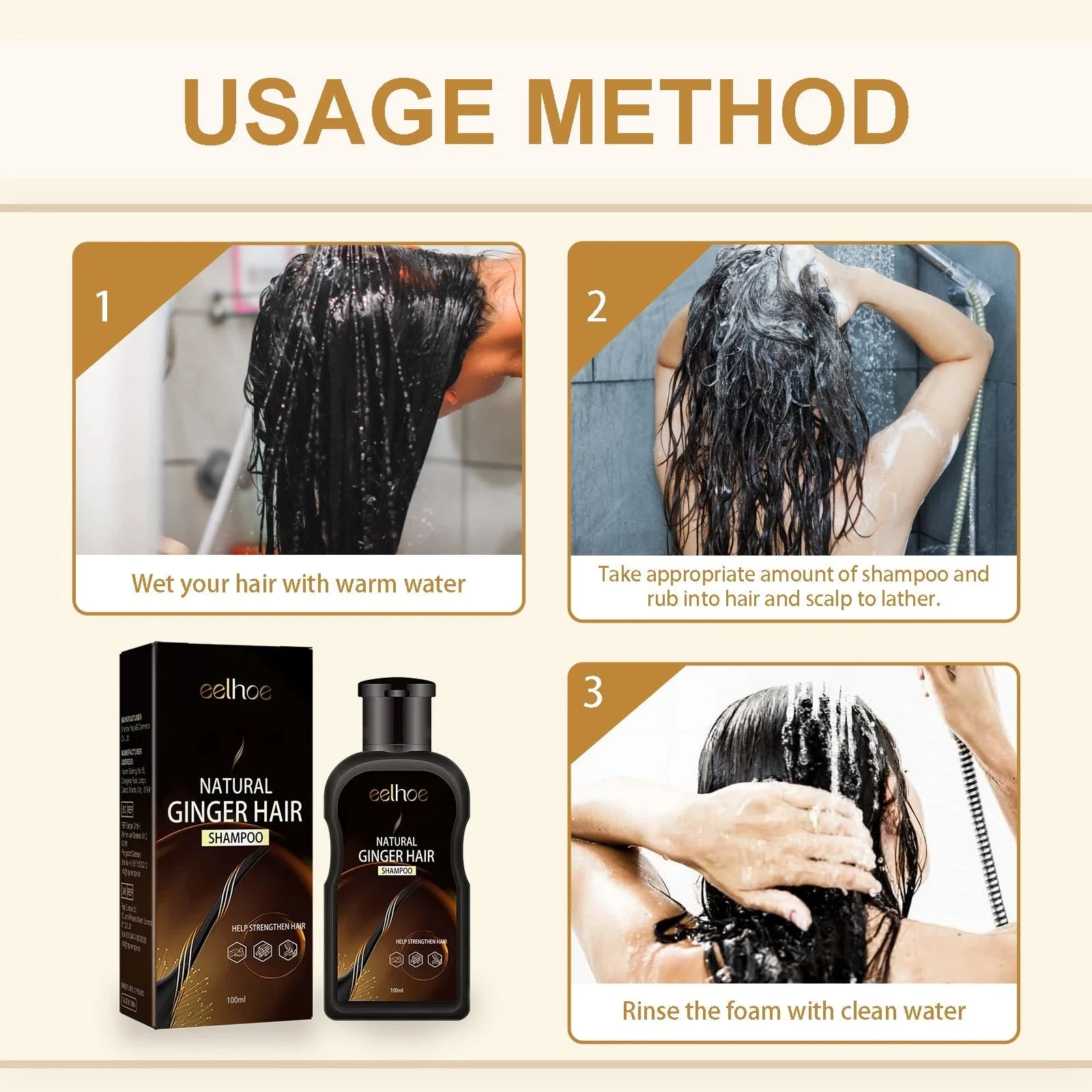
Judge the finish when the hair is dry enough to compare fairly. Wet hair naturally looks darker and can lie flatter, so do not use that alone as a reason to shampoo repeatedly. If a product irritates your scalp, stop using it rather than repeating the experiment.
Should you double-shampoo, clarify or add scalp spray?
None of those is an automatic next step. First improve coverage and rinsing. Follow your shampoo’s instructions if considering another lather; a fixed “always wash twice” rule does not suit every routine. A product sold as clarifying has a different claim that should be checked on its own label.
Likewise, a moisture spray adds a care step. It does not remove oil or residual conditioner. If your scalp-care products are the part you are comparing, our guide to scalp serum for oily hair explains formula and placement choices.
Persistent greasiness with soreness, marked itching, redness or unusual shedding deserves appropriate advice. The troubleshooting table can help you describe your routine, but it cannot identify a medical cause from how your hair looks.
To compare available wash formats, see the shampoo collection. Keep your purchase tied to the step you need to improve: cleansing the scalp first, then conditioning the lengths.
Questions about greasy hair after washing
Why is my hair greasy after I wash it but dry at the ends?
The scalp and lengths can need different care. Check scalp cleansing and rinsing, then condition the areas that need softness. Dry ends do not automatically mean the roots need another oil.
How can I prevent greasy hair after washing?
Wet the roots thoroughly, distribute shampoo on the scalp, rinse all areas and place conditioner for your hair type. Check optional products near the roots and adjust one step at a time.
Should I wash again immediately if my hair looks greasy?
Do not decide from wet appearance alone. Check rinsing and product placement, follow the shampoo directions and avoid repeated harsh washing. A persistent problem may need advice beyond changing the wash count.
Is the black EELHOE shampoo a leave-in or a clarifying treatment?
It is a rinse-off liquid shampoo. The available material describes scalp oil and everyday surface-residue cleansing; it does not establish a specialist clarifying treatment.
Does ginger shampoo stop my scalp producing oil?
Its documented role here is washing away scalp oil and surface residue. The ginger ingredient does not establish that the product changes sebum production.
Sources and product information
By GinGrowth, which sells the EELHOE products shown. Product pages and original product images checked November 4, 2026. This guide uses label information and published guidance; it does not report a firsthand product test.