A hydrating scalp spray is worth considering when you want a moisture-care step at the roots and prefer a fluid spray to an oil or cream. Compare the formula before the nozzle: sprays can be water-based or contain several oils. Then check where, when and how much to apply. A spray that lands mostly on your hair cannot give you the same targeted scalp placement.
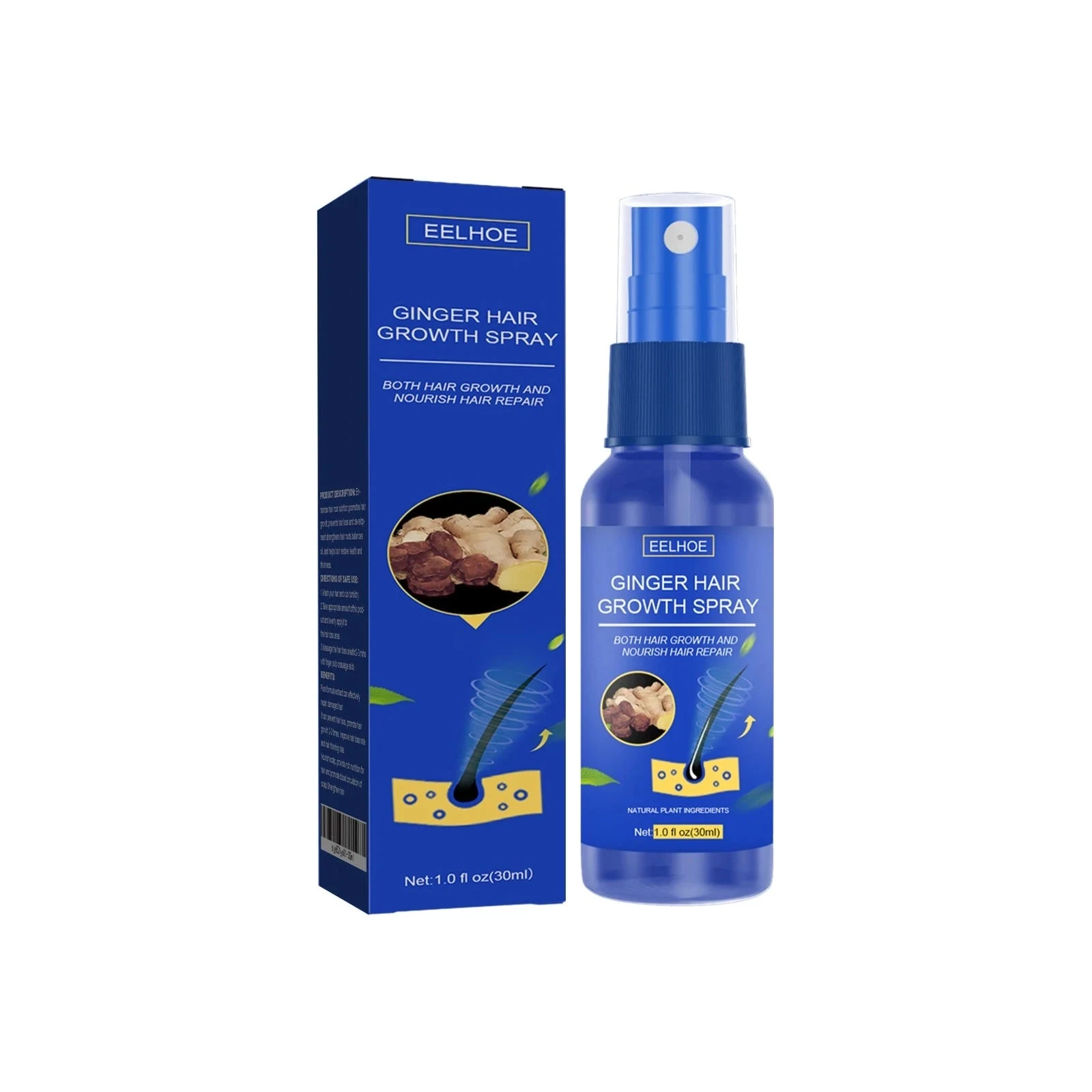
For a water-based option, the blue EELHOE ginger spray combines ginger with glycerin, sodium PCA and panthenol. This guide compares that 30ml bottle with two other EELHOE sprays sold by GinGrowth, so you can choose by the actual formula and routine.
Choosing a scalp moisturizer spray without heavy-feeling roots
Choose a scalp moisturizer spray by the texture you prefer and the exact bottle. These three formulas have different ingredient combinations.
Choose by your routine
Water-based moisture care with a spray nozzle
The blue ginger scalp moisturizing spray pairs ginger with glycerin, sodium PCA and panthenol. Choose it when you prefer a water-based scalp step. After washing and drying, spray a small amount through a parting and massage gently for 2–3 minutes.
Choose by your routine
Compare the separate ginger botanical blend
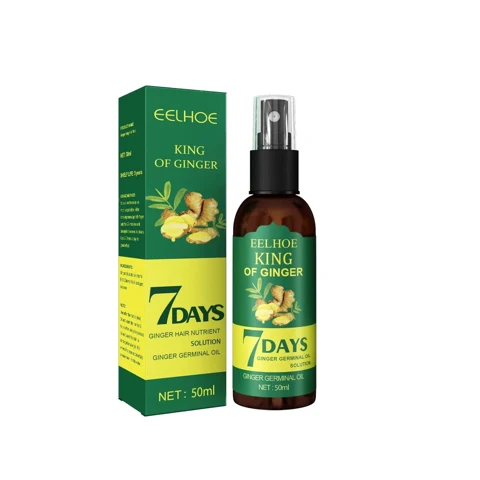
This 50ml bottle has ginger, black sesame, angelica and safflower highlights. The green packaging identifies a different formula from the blue spray. Compare its product details and directions before choosing.
Choose by your routine
Prefer rosemary with botanical oils?
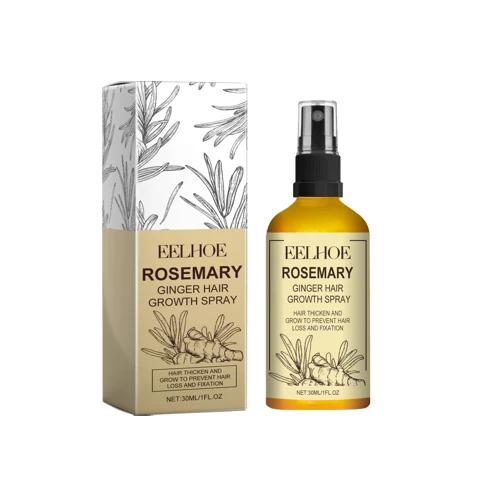
The rosemary ginger spray includes castor, argan and coconut oils. Choose this comparison when you want an oil-containing formula with nozzle application; it should not be treated as an oil-free mist.
Browse the ginger scalp spray collection to compare the current bottles and purchase options. If you would rather use a jar or dropper, the scalp oil versus moisturizer comparison explains those alternatives. You do not need to buy all three formats to build a useful routine.
Is a scalp moisturizer spray the step you need?
Choose by the job: add moisture care to the scalp, cleanse oily roots, or condition rough lengths. These are separate tasks. A scalp moisturizer spray adds product after cleansing; it does not wash away yesterday’s oil, dry shampoo or styling residue.
On mobile, swipe the table to compare all columns.
| What you notice | First choice to consider | What to avoid assuming |
|---|---|---|
| You want scalp moisture without choosing a dropper oil | Compare a water-based scalp spray and its directions. | Every spray is oil-free or feels the same. |
| Roots feel coated immediately after washing | Review cleansing, rinsing and the placement of other products. | Adding a moisture spray will remove the coating. |
| Ends feel rough but the scalp feels fine | Use conditioner or care directed to the lengths. | A scalp product must also be the best treatment for the ends. |
| Flaking is accompanied by persistent redness, itching or soreness | Seek advice about the scalp problem before choosing a cosmetic fix. | A dry scalp spray treats every cause of flakes. |
The American Academy of Dermatology’s hair-care guidance separates shampooing the scalp from conditioning the lengths and recommends choosing care for your hair type. That distinction is useful here: you can want moisture at the scalp and still need a different texture at the ends.
What is in the blue EELHOE scalp spray?
The blue 30ml bottle is a water-based ginger scalp spray with glycerin, sodium PCA and panthenol among its highlighted ingredients. Its product page places it in a scalp-moisture routine after washing and drying. Those named ingredients and the illustrated method give you more useful buying information than the word “spray” alone.
Choose the ginger scalp moisturizing spray if you want to aim a small amount along partings rather than portion oil from a pipette. The small nozzle helps you direct application; the parting is what gives the liquid access to the skin beneath your hair.
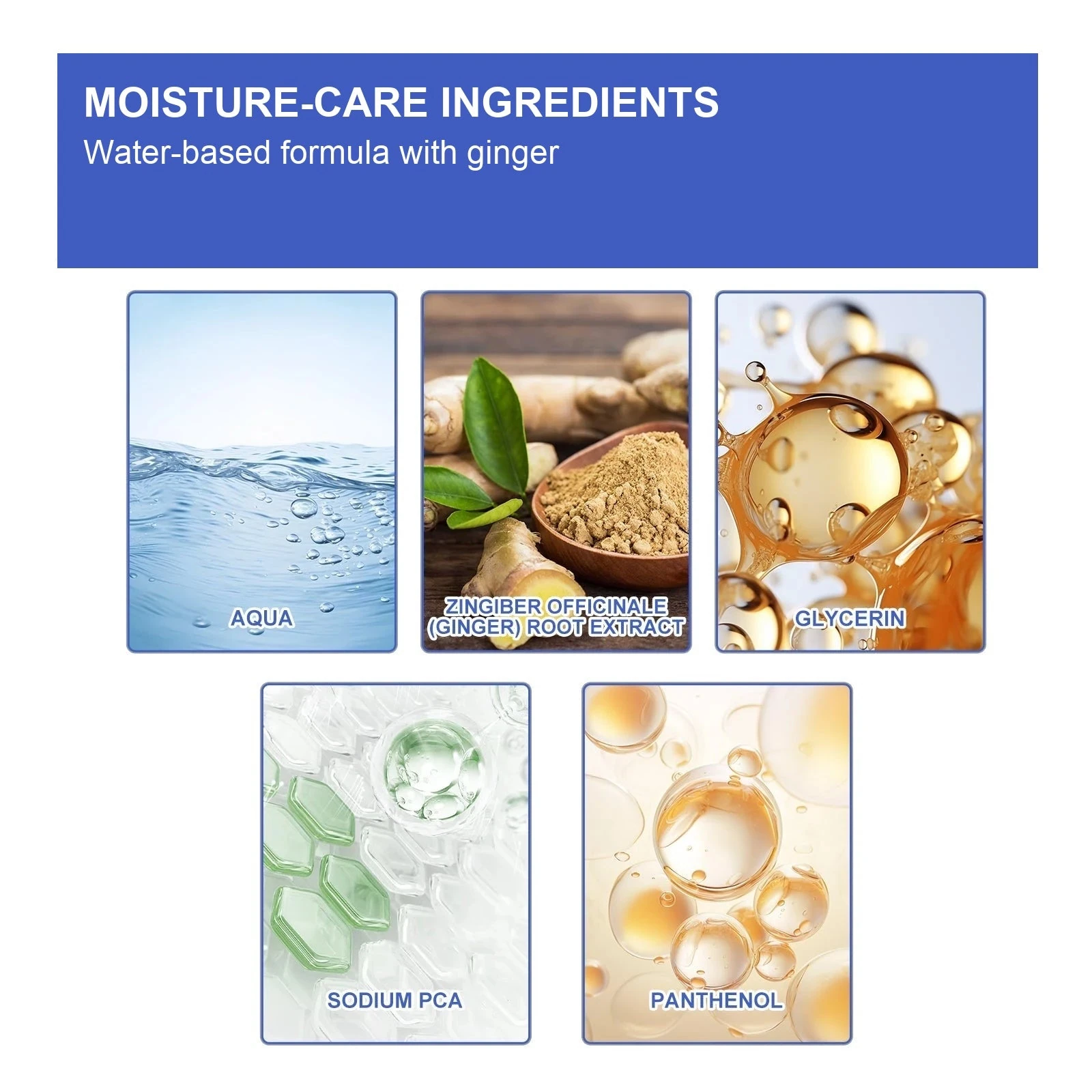
“Water-based” describes the base, not a guarantee of zero residue, no fragrance or suitability for every scalp. Those claims need the full label. A useful way to judge a formula you own is whether the directed amount spreads comfortably and leaves your roots manageable. Do not keep adding liquid simply because it comes from a spray.
How do the three EELHOE scalp sprays differ?
The blue bottle is the moisture-focused water-based choice; the rosemary formula lists oils; the 50ml ginger spray has a separate botanical blend. Their similar application steps do not make their ingredient lists interchangeable.
On mobile, swipe the table to compare all columns.
| Spray | Confirmed ingredient or format distinction | Best reason to compare it |
|---|---|---|
| Blue ginger spray, 30ml | Water-based; ginger, glycerin, sodium PCA and panthenol. | You prefer a water-based scalp moisture step. |
| Ginger scalp spray, 50ml | Ginger, black sesame, angelica and safflower highlights; larger capped bottle. | You want that particular botanical combination and format. Its full base should be checked separately. |
| Rosemary ginger spray, 30ml | Rosemary and ginger with castor, argan and coconut oils. | You want an oil-containing conditioning formula in a spray applicator. |
You can inspect the separate 50ml ginger scalp spray and rosemary ginger spray with botanical oils for their own directions. If avoiding a rich oil layer is your main preference, start with the blue formula rather than assuming rosemary means a water-only mist.
The scalp spray collection groups these options. For a broader choice between dispensers, see our spray versus serum comparison. This guide focuses on moisture and application, not on predicting new hair growth.
How do you apply the blue spray without soaking your roots?
- Wash and dry first. This is the preparation shown for this bottle.
- Open a parting. Move the surrounding hair aside so you can see the intended scalp area.
- Spray a small amount onto the scalp. Keep the nozzle away from your face and eyes. Do not mist the entire hairstyle to reach one area.
- Massage gently for 2–3 minutes. Use the pads of your fingers to distribute the product.
- Check the finish. Follow your bottle for frequency and any further instructions rather than treating a damp-looking scalp as the goal.
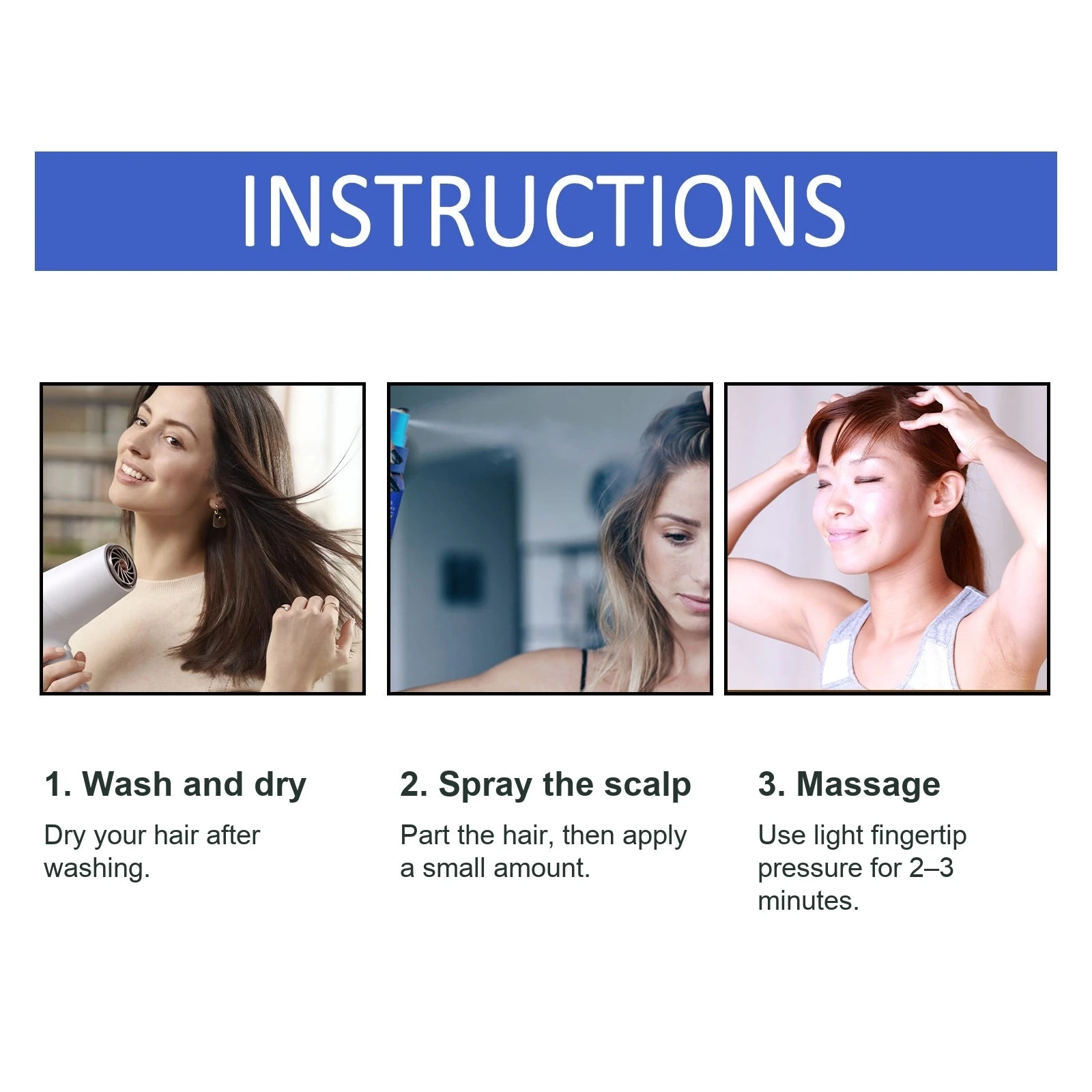
If your fringe becomes wet while the scalp underneath is still hard to reach, improve the parting before dispensing more. For dense hair, work with a smaller exposed area. This is a placement adjustment, not a reason to invent a higher dose.
What if a moisture spray makes your hair feel heavy?
Look at the complete routine. A small scalp spray application can still sit on top of oil, styling cream or residue left near the roots. Keep the optional products simple while you judge the new step, and make sure you are comparing the finish after the hair has dried.
Our guide to scalp formulas for oily hair explains why texture and precise application matter. If your hair already feels coated straight after washing, resolve that wash-day issue before using another product to cover it.
A dry scalp spray is a product category, not a diagnosis. If redness, soreness or persistent itching accompanies the dryness, choosing a different nozzle may not address the problem. That is a reason to seek appropriate advice, not to spray more often.
Questions about hydrating scalp sprays
Is a hydrating scalp spray the same as a hair mist?
No. A hair mist may target the lengths, fragrance or styling. Check for scalp directions. The blue EELHOE spray discussed here is applied along scalp partings after washing and drying.
Does water-based mean oil-free?
No. Water-based describes the formula’s base. Read the full ingredient label before making an oil-free, fragrance-free or allergy-related choice.
Can I use this spray every day?
Use the frequency on your bottle. The illustrated guide confirms washing and drying, scalp placement and a 2–3 minute massage; it does not establish a universal daily schedule.
Will a dry scalp spray remove dandruff?
A moisture-care spray does not establish treatment for dandruff or every cause of flakes. Persistent itching, redness or flaking needs a different assessment from choosing a cosmetic texture.
Do I still need conditioner?
Yes, if your lengths need conditioning. Use conditioner where your hair type and its directions call for it, then rinse and dry before this scalp step.
Sources and product information
By GinGrowth, which sells the EELHOE products shown. Product pages and original product images checked November 4, 2026. This guide uses label information and published guidance; it does not report a firsthand product test.